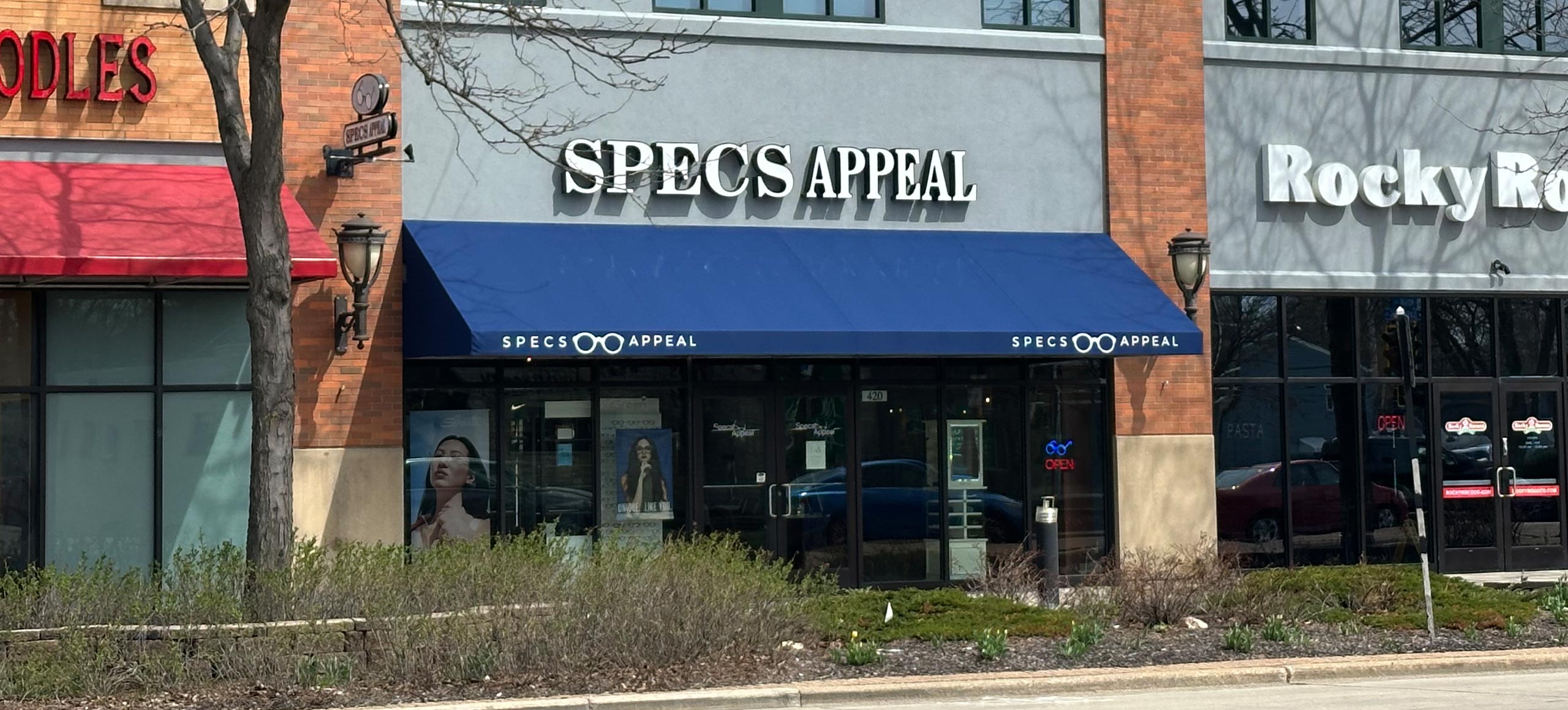

Optometry does not exist in isolation. It lives within the rhythm of a community, shaped by the people who walk its streets, work its offices, raise families, and build routines around familiar landmarks. When eye care is thoughtfully connected to its location, it becomes more than a clinical service. It becomes part of daily life, supporting how people see, work, create, and engage with the world around them. A practice grounded in its surroundings understands that vision needs are influenced by environment, lifestyle, and the unique character of the community it serves.
In a location known for boutique shopping, walkable streets, and a balance of residential comfort and urban access, optometry naturally takes on a personalized, relationship-driven role. Eye care becomes about more than prescriptions. It becomes about understanding how people move through their day, how they use their vision at work and at home, and how they want to present themselves in social and professional spaces. This connection between place and practice allows optometry to feel approachable, relevant, and deeply personal.
Every community has its own visual demands. In areas where professionals commute, spend time on screens, and value quality design, optometry must adapt accordingly. Eye Exams are no longer just routine checkups. They are opportunities to assess how modern habits affect eye health and visual comfort. Extended screen use, artificial lighting, and frequent switching between near and far tasks all influence how eyes function throughout the day.
When an optometric practice understands its location, it can anticipate these needs. Exams become more comprehensive and conversational, focusing not only on vision clarity but also on comfort, fatigue, and long-term eye health. This approach helps patients feel understood rather than processed, reinforcing trust and long-term relationships.
In communities that value individuality and design, glasses naturally become an extension of personal style. Glasses are no longer purely functional objects. They are part of how people express themselves, especially in areas where independent boutiques, local dining, and creative spaces shape the culture. High end, independent eyewear fits seamlessly into this environment, offering craftsmanship and originality that mass-produced frames cannot replicate.
Optical practices connected to their location curate eyewear collections with intention. They select frames that resonate with the community’s aesthetic, offering options that feel unique without being impractical. This makes choosing glasses an enjoyable experience rather than a transactional one. Patients are not simply filling a prescription. They are discovering eyewear that complements their lifestyle, their work, and their sense of self.
Eye Exams play a vital role in overall health, especially in established communities where patients span generations. Regular exams help monitor changes in vision over time while also serving as an early detection tool for underlying health concerns. In a community-focused practice, these exams are not rushed. They are thorough, educational, and tailored to the individual.
Patients benefit from an approach that considers how local factors influence eye health. Seasonal changes, allergens, and environmental conditions can all affect vision and comfort. By understanding the rhythms of the area, optometrists can better address recurring concerns and provide guidance that feels practical and relevant.
For many people, Contact Lenses offer flexibility that fits an active, on-the-go lifestyle. Whether navigating a busy workday, enjoying outdoor activities, or moving between professional and social settings, contact lenses provide visual freedom that aligns with modern routines. In communities where convenience and adaptability matter, contact lenses become an essential part of vision care.
Effective Contact lens fitting requires precision, experience, and an understanding of how patients use their vision throughout the day. A practice rooted in its location recognizes that no two routines are the same. Some patients prioritize long hours of wear, others need solutions for digital work, and some require specialty options for complex prescriptions. Personalized fittings ensure comfort, clarity, and eye health, reinforcing confidence in everyday activities.
Medical eye care is an essential component of comprehensive optometry, particularly in established communities where patients rely on familiar providers. Conditions such as infections, dry eye, allergies, and injuries require timely attention and careful management. When patients can access medical eye care within a trusted local practice, it reduces stress and improves outcomes.
A location-based approach to medical eye care means understanding common triggers and environmental factors. Seasonal allergies, air quality, and workplace conditions all influence eye health. By addressing these issues within the context of the community, optometrists provide care that feels both informed and responsive.
Dry eye has become increasingly common, especially in environments where screen use and climate-controlled spaces dominate daily life. Community-focused optometry recognizes how local conditions contribute to this discomfort. Rather than offering generic solutions, care is tailored to how patients live and work.
Through detailed evaluations and ongoing management, optometrists help patients find relief that fits their routines. This may involve adjustments to eyewear, contact lens recommendations, or targeted treatments that support long-term comfort. Addressing dry eye within the context of everyday life helps patients feel understood and supported.
One of the most meaningful aspects of location-based optometry is the opportunity to care for families over time. Children grow into adults, prescriptions evolve, and vision needs change. When a practice remains rooted in its community, these relationships deepen, creating continuity and trust.
Eye care becomes part of a family’s routine, much like visiting a favorite local shop or café. This familiarity encourages regular exams and proactive care, supporting better long-term outcomes. Patients feel comfortable asking questions and discussing concerns, knowing their provider understands their history and priorities.
Independent eyewear aligns naturally with communities that value originality and craftsmanship. Just as local shops and restaurants reflect the character of an area, high end, independent eyewear reflects a commitment to quality and individuality. These frames often feature thoughtful design, durable materials, and distinctive aesthetics.
An optical practice connected to its location curates eyewear that feels relevant and inspiring. Patients are invited to explore styles that stand apart from mainstream trends while still offering comfort and functionality. This approach transforms eyewear selection into an engaging, personalized experience.
Choosing glasses or contact lenses can feel overwhelming without proper guidance. In a community-focused practice, opticians and doctors take time to listen and educate. They consider how patients work, relax, and interact with their surroundings, offering recommendations that make sense for real life.
This level of care builds confidence. Patients leave appointments feeling informed rather than uncertain. They understand their options and how each choice supports their vision and lifestyle. This clarity reinforces trust and encourages ongoing engagement with eye care.
When optometry is seamlessly integrated into a community, it becomes a natural part of daily life. Appointments are easy to schedule, locations are familiar, and visits feel approachable. Patients may pair an exam with errands, shopping, or dining nearby, making eye care feel less like an obligation and more like a routine stop.
This accessibility encourages consistency. Regular Eye Exams, timely contact lens fittings, and proactive medical eye care become habits rather than afterthoughts. Over time, this consistency supports healthier vision and stronger patient-provider relationships.
An informed patient is an empowered patient. Community-based optometry places a strong emphasis on education, helping individuals understand their vision and eye health. Rather than relying solely on technical terms, explanations are clear and relatable.
This educational approach extends beyond the exam room. Patients gain insight into how lifestyle choices, environmental factors, and aging affect their vision. With this knowledge, they can make informed decisions and take an active role in their eye care.
Vision needs evolve over time, influenced by age, work demands, and health changes. A location-connected practice recognizes these shifts and adapts care accordingly. Whether transitioning to Contact Lenses, updating glasses, or addressing new medical concerns, care remains flexible and responsive.
This adaptability is especially valuable in communities where patients value continuity. Seeing familiar faces and working with providers who understand their history makes change feel manageable rather than disruptive.
Trust is built through consistent, thoughtful care. When optometry is grounded in its location, patients know where to turn for reliable guidance. This consistency fosters loyalty and encourages referrals, strengthening the practice’s role within the community.
Over time, the practice becomes more than a place for eye care. It becomes a trusted resource, supporting vision and confidence through every stage of life.
Connecting optometry to its location creates care that feels meaningful, relevant, and personal. By understanding the community it serves, an optometric practice can offer Eye Exams, glasses, Contact Lenses, contact lens fitting, and medical eye care that align with real-world needs. This connection transforms eye care into an experience rooted in trust, education, and long-term relationships. When place and practice work together, vision care becomes not just a service, but a valued part of everyday life.
Location plays a significant role in shaping eye care because lifestyle, work habits, and environmental factors vary from one community to another. A practice connected to its location can tailor eye exams, eyewear recommendations, and treatments based on how patients use their vision every day.
Eye exams do more than check vision clarity. They help monitor eye health, detect early signs of conditions, and track changes over time. Regular exams support long-term vision health, even when no noticeable symptoms are present.
Independent eyewear is often designed with greater attention to craftsmanship, materials, and originality. These frames tend to offer unique styles, better durability, and a more personalized fit compared to mass-produced options.
Contact lens fitting involves additional measurements and evaluations to ensure lenses sit correctly on the eye and provide consistent comfort. The process also considers lifestyle factors, wear time, and specific vision needs.
Yes, comprehensive eye exams can detect signs of medical eye conditions such as infections, dry eye, allergies, and injuries. Early identification allows for timely treatment and helps prevent complications.
Extended screen time can contribute to eye strain, dryness, and focusing fatigue. Eye care providers often address these concerns during exams by recommending lens options or strategies that support visual comfort.
Dry eye can be influenced by screen use, climate-controlled environments, seasonal changes, and reduced blinking. A personalized evaluation helps identify contributing factors and guide effective management.
Personalized guidance ensures eyewear choices align with vision needs, daily activities, and comfort preferences. This approach helps patients feel confident that their glasses or lenses support both function and lifestyle.
Community-focused optometry allows providers to care for patients across different life stages. Building long-term relationships supports continuity of care and helps address changing vision needs over time.
You can expect care that reflects local lifestyles, clear communication, and a personalized approach to eye exams, eyewear, contact lenses, and medical eye care. The goal is to make eye care feel relevant, accessible, and supportive.
Whether you are updating your glasses, scheduling an eye exam, or exploring contact lenses, Specs Appeal is here to help you see and feel your best.
Contact Us
Learn More
Hours